
Acne scar
Advanced Acne Scar Treatment by Dermatologists
Acne Scar Treatment – Smooth, Clear & Confident Skin
Acne is a common skin condition that affects individuals of all ages, though it is particularly prevalent among teenagers. It manifests as different types of bumps on the skin, including whiteheads, blackheads, and pimples. Acne primarily occurs on the face, forehead, chest, upper back, and shoulders. It’s caused by the clogging of hair follicles with oil and dead skin cells.
At Skinaa Clinic, we understand that acne is more than just a skin condition; it can be a significant source of distress, impacting self-esteem and daily life and our approach focuses on personalized treatments to effectively manage and reduce acne.
What are the types of Acne?
Acne manifests in various forms, each with distinct characteristics:
- Fungal Acne (Pityrosporum Folliculitis): This type of acne is caused by an overgrowth of yeast in hair follicles, leading to itchy and inflamed outbreaks. Unlike typical acne, fungal acne often requires specialized treatment.
- Cystic Acne: One of the more severe forms, cystic acne is characterized by deep, pus-filled pimples and nodules. It’s notorious for its potential to cause scarring due to the depth and inflammation of the breakouts.
- Hormonal Acne: Commonly affecting adults, hormonal acne is triggered by an overproduction of sebum, which leads to clogged pores. It’s often associated with hormonal fluctuations and requires a targeted treatment approach.
- Nodular Acne: A severe variant, nodular acne presents as painful pimples on the skin’s surface and deeper nodular lumps beneath the skin. This type can be particularly distressing due to its visibility and discomfort.
Each type of acne can significantly impact self-esteem, and both cystic and nodular acne carry a higher risk of lasting skin damage, such as scarring. Timely consultation with a healthcare provider is crucial for accurate diagnosis and effective treatment to manage these conditions.
What are the Symptoms of Acne?
Recognizing the signs of acne is crucial for timely treatment. At Skinaa Clinic, we look for:
- Whiteheads (closed plugged pores)
- Blackheads (open plugged pores)
- Small red, tender bumps (papules)
- Pimples (pustules), which are papules with pus at their tips
- Large, solid, painful lumps beneath the surface of the skin (nodules)
- Painful, pus-filled lumps beneath the surface of the skin (cystic lesions)
OUR DOCTORS
Why Choose Acne Scar Treatment at Skinaa Clinic?
Multi-Technology Approach: Combination of lasers, RF, peels, and fillers.
Targets All Scar Types: Rolling, ice pick, boxcar, hypertrophic scars.
Boosts Collagen: Natural collagen regeneration improves skin texture.
Fades Pigmentation: Treats post-acne dark spots & redness.
Safe & Effective: Customised for Indian and sensitive skin types.
Confidence Boost: Restores smoother, more even skin over time.

What are the causes of Acne?
There are many factors that can cause Acne. These factors are:
- Pore Clogging: Acne occurs when pores on the skin become clogged. Each pore is connected to a follicle, containing a hair and an oil gland.
- Role of Oil Glands: The oil from these glands helps in removing dead skin cells and maintaining skin softness.
- Formation of Plugs: Clogging happens due to a mix of oil and skin cells, forming a plug or comedone.
- Whitehead: If the plug’s top is white.
- Blackhead: If the plug’s top is dark.
- Bacterial Infection and Pimples: Bacteria trapped in the plug can cause an immune reaction, leading to pimples.
- Nodulocystic Acne: Deep skin acne can result in painful cysts, known as nodulocystic acne.
- Prevalence: Acne is common in teenagers but can affect all ages, including babies. It often has a genetic component.
What are the Triggers of Acne?
- Hormonal Changes: Related to puberty, menstrual periods, pregnancy, birth control pills, or stress.
- Oily Products: Use of greasy cosmetic and hair products.
- Certain Medications: Steroids, testosterone, estrogen, phenytoin, and some drug-containing IUDs.
- Environmental Factors: Heavy sweating and high humidity.
- Physical Contact: Excessive touching or rubbing of the skin.
Diet and Acne: No conclusive evidence links chocolate, nuts, and greasy foods to acne. However, diets high in refined sugars or dairy may be connected to acne in some individuals, though controversial.
Acne Treatment
Treatment for acne focuses on reducing oil production and inflammation, preventing scarring, and minimizing skin damage. Common treatments include:
- Over-the-counter topical treatments
- Prescription topical or oral medications
- Therapies such as chemical peels, extraction of whiteheads and blackheads, and steroid injections
- Laser Treatment
At Skinaa Clinic, we understand the complexity of acne and its impact on individuals. Our expertise in treating various acne types – from fungal to nodular – allows us to provide personalized and effective treatments. We focus on early intervention to prevent complications like scarring and emotional distress. Our treatments range from topical medications to advanced laser therapies, targeting the root causes of acne. Our goal is to enhance skin health and boost our patients’ confidence with customized care and state-of-the-art solutions.
Find Best Skin Specialists in Jaipur and Dermatologist Near You
We, At Skinaa, Bring the Treatment of All Your Skin Diseases to Your Finger Tips. Now Talk to a Doctor While Sitting on Your Couch.

Dr. Atul Jain
Consultant Dermatologist & Dermatosurgeon, Hair Transplant Surgeon

Dr. Richa Jain
Consultant Eye Cosmetologist

Dr. Sinni Jain
Consultant Dermatologist & Cosmetologist
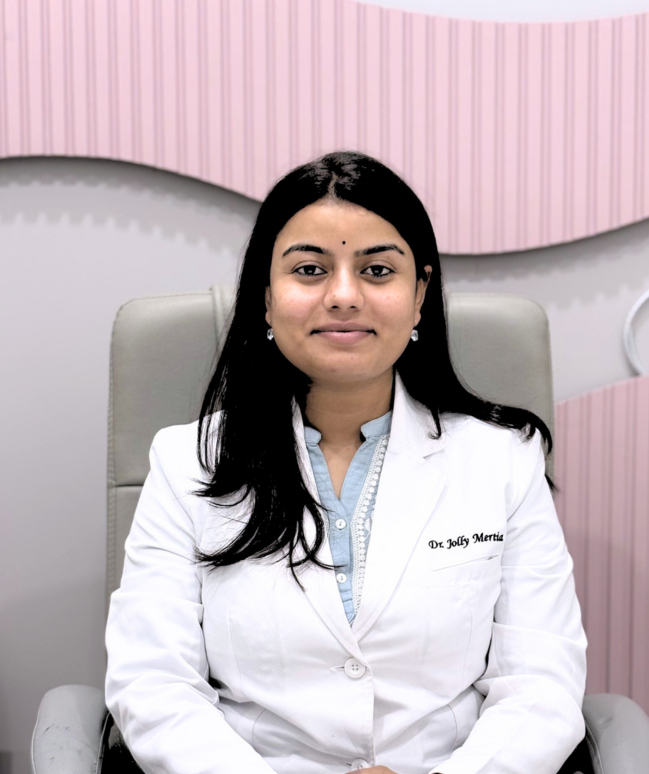
Dr. Jolly Mertia
Consultant MBBS & M.D. Dermatologist

Dr. Reena Lamba
Consultant MBBS & M.D. Dermatologist
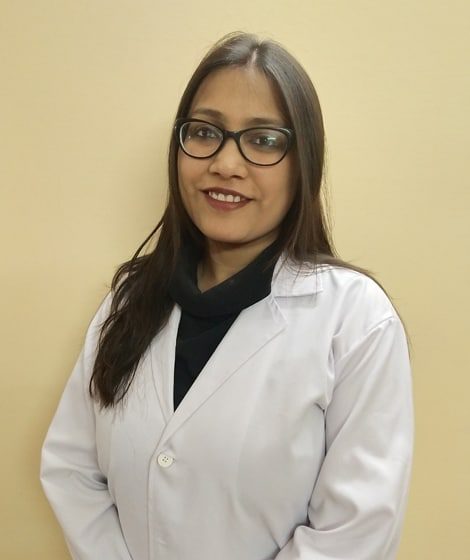
Dr. Nidhi Gupta
Consultant Dermatologist & Aesthetic Surgeon
Online Appointments
Years Of Experience
Doctors and Staff
Book Your Procedure
Book your appointment today and let our experienced dermatologists help you achieve healthy, radiant skin.
FAQ
Frequently Ask Questions
Most scars can be significantly improved, but complete removal is rare. With advanced treatments, 60–80% improvement is achievable.
It depends on your scar type. Rolling scars respond well to subcision and MNRF, ice pick scars to TCA CROSS or laser, and pigmented scars to chemical peels. Dermatologists often combine treatments for best results.
Mild discomfort may occur during procedures, but numbing creams and cooling devices are used to keep you comfortable.
You’ll notice smoother skin and lightened marks gradually after 2–3 sessions, with continued improvement over months.
Yes. When performed by dermatologists with customised protocols, treatments are safe and effective for Indian skin tones (III–V).